Your Income Doesn't Define Your Legacy
Understanding how South Africans across different income groups approach estate planning and why a valid estate plan matters regardless of wealth.

Phajane Attorneys Inc
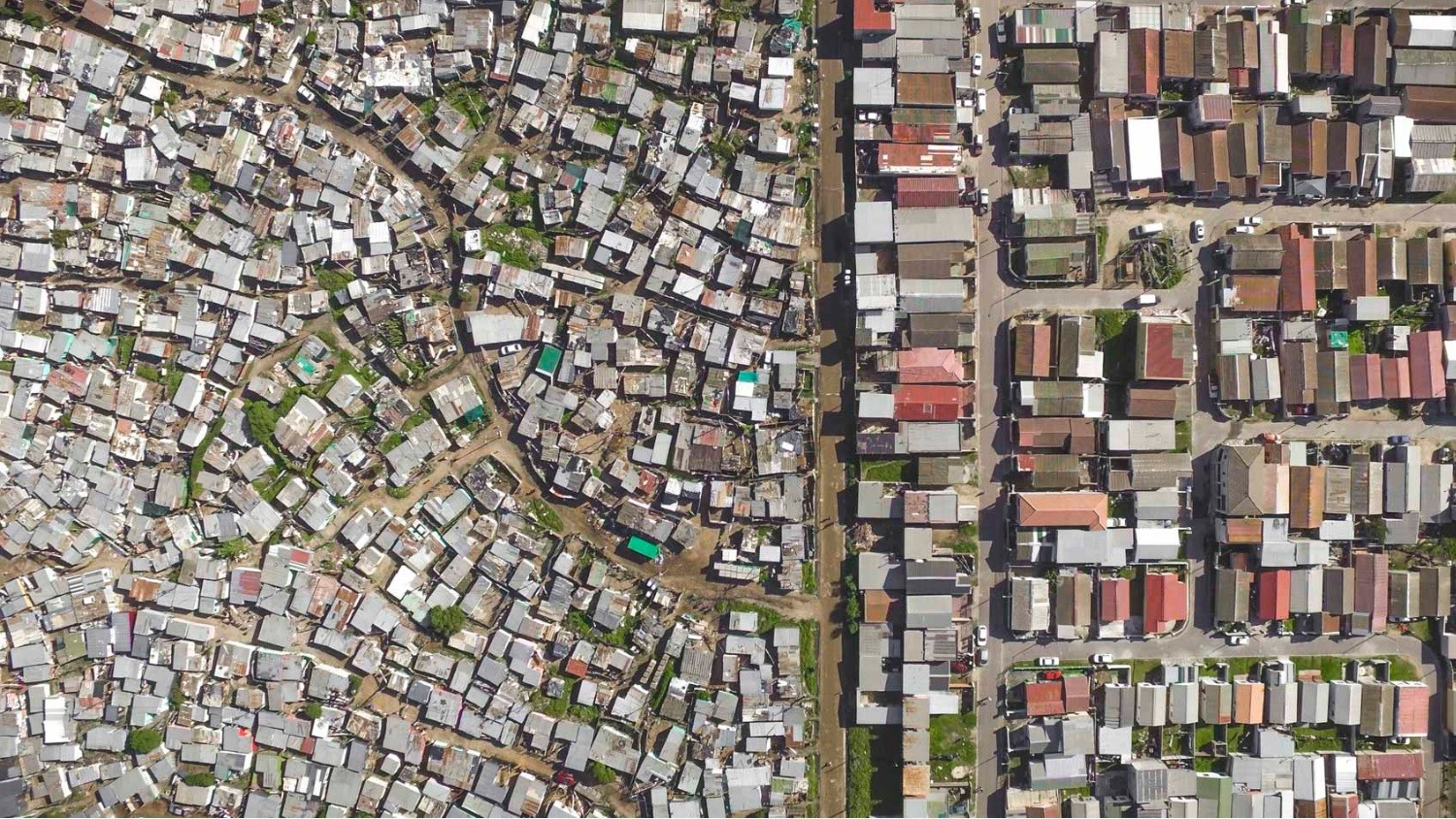
Estate Planning in South Africa: Why the Wealth Gap Should Not Determine Your Legacy
By Phajane Attorneys Inc
South Africa is widely recognised as one of the most unequal societies in the world. Statistics South Africa (Stats SA) and various economic studies consistently show that wealth and income remain concentrated among a small portion of the population, while many households continue to face poverty and financial insecurity. The average household income in South Africa is approximately R204,000 per year, yet the median household income is significantly lower at around R95,770 annually, highlighting the extent of income inequality.
When discussions about estate planning arise, many people mistakenly believe that it is only relevant to wealthy individuals with extensive property portfolios and investment assets. In reality, estate planning is important for every South African, regardless of income level. The difference is not whether estate planning is needed, but rather how different income groups approach it.
The Reality of Wealth Inequality
South Africa's wealth distribution remains highly concentrated. Research indicates that the top 10% of wealth holders own the vast majority of household wealth, while a significant portion of the population owns very little in the form of assets.
Against this backdrop, estate planning takes on different forms across various income groups.
Estate Planning Among Low-Income Households
For many low-income families, wealth is often not measured in investment portfolios or multiple properties. Instead, their estate may consist of:
A family home or informal dwelling
Household furniture and appliances
Burial society benefits
Pension or provident fund benefits
Livestock or small business assets
Social support structures
Unfortunately, estate planning is often overlooked within this segment of society. Many families rely on verbal instructions rather than formal wills. When a family member passes away without a valid will, surviving relatives can face disputes, delays in accessing benefits, and uncertainty regarding inheritance.
The absence of proper estate planning often results in the very assets intended to support future generations becoming sources of conflict.
For low-income households, the most valuable estate planning tool is often a simple, legally valid will.
Estate Planning Among the Middle Class
South Africa's middle class has expanded significantly over the past few decades. Many middle-class households own homes, vehicles, retirement savings, life insurance policies, and investment products.
This group often faces a unique challenge: they are asset-rich but planning-poor.
A typical middle-class estate may include:
A bonded residential property
Retirement annuities and pension funds
Life insurance policies
Unit trusts and investment accounts
Business interests
Motor vehicles
While many middle-class South Africans understand the importance of financial planning, fewer have comprehensive estate plans. Common gaps include:
No valid or updated will
Failure to nominate beneficiaries correctly
Lack of liquidity planning to cover estate costs
No trust structures where appropriate
Failure to consider guardianship provisions for minor children
For the middle class, estate planning is about preserving what has been built through years of hard work and ensuring that loved ones can access assets efficiently after death.
Without proper planning, a family home intended to provide security can become entangled in lengthy estate administration processes.
Estate Planning Among High-Net-Worth Individuals
Affluent households typically have more complex estates. These may include:
Multiple properties
Extensive investment portfolios
Shareholdings in businesses
Offshore assets
Trust structures
Agricultural or commercial enterprises
For this group, estate planning extends beyond the drafting of a will. It often includes:
Tax planning
Trust formation and administration
Business succession planning
Asset protection strategies
International estate considerations
Intergenerational wealth transfer
The objective is not merely to distribute wealth but to preserve it across generations.
Many wealthy families understand that wealth can disappear within a generation if there is no structured succession plan.
The Common Thread Across All Income Groups
While the value of assets differs significantly between the poor, middle class, and wealthy, one principle remains constant:
Every person leaves behind an estate.
The question is not whether there will be an estate to administer, but whether there is a plan in place.
For a low-income family, estate planning may protect a home and ensure children are cared for.
For a middle-class family, it may preserve a lifetime of savings and investments.
For a wealthy family, it may secure generational wealth and business continuity.
Estate Planning as a Tool for Social Progress
In a country where inequality remains a defining challenge, estate planning can play an important role in wealth preservation and wealth transfer.
One of the reasons wealth gaps persist across generations is that many families never formally transfer assets, knowledge, and financial structures to the next generation. Proper estate planning creates continuity. It allows families to protect assets, reduce disputes, and provide future generations with a stronger foundation.
Estate planning is therefore not only about death; it is about legacy, dignity, and financial security.
Final Thoughts
South Africans come from vastly different economic realities, but the need for estate planning is universal.
Whether your estate consists of a single property, a retirement fund, or a diversified investment portfolio, a properly drafted estate plan ensures that your wishes are respected and your loved ones are protected.
Estate planning should not be viewed as a privilege reserved for the wealthy. It is one of the most important legal and financial tools available to every South African who wishes to leave behind certainty rather than confusion.
Your income may determine the size of your estate, but it should never determine whether you have a plan for it.
Ready to plan for the future?