Notarial Services in the Mining Industry: Understanding the Role of the DMRE and Notary Publics
Learn how mining companies use notarial services for servitudes, notarial bonds, powers of attorney, mining rights transactions, and compliance with Department of Mineral Resources and Energy (DMRE) requirements in South Africa.

Phajane Attornyes
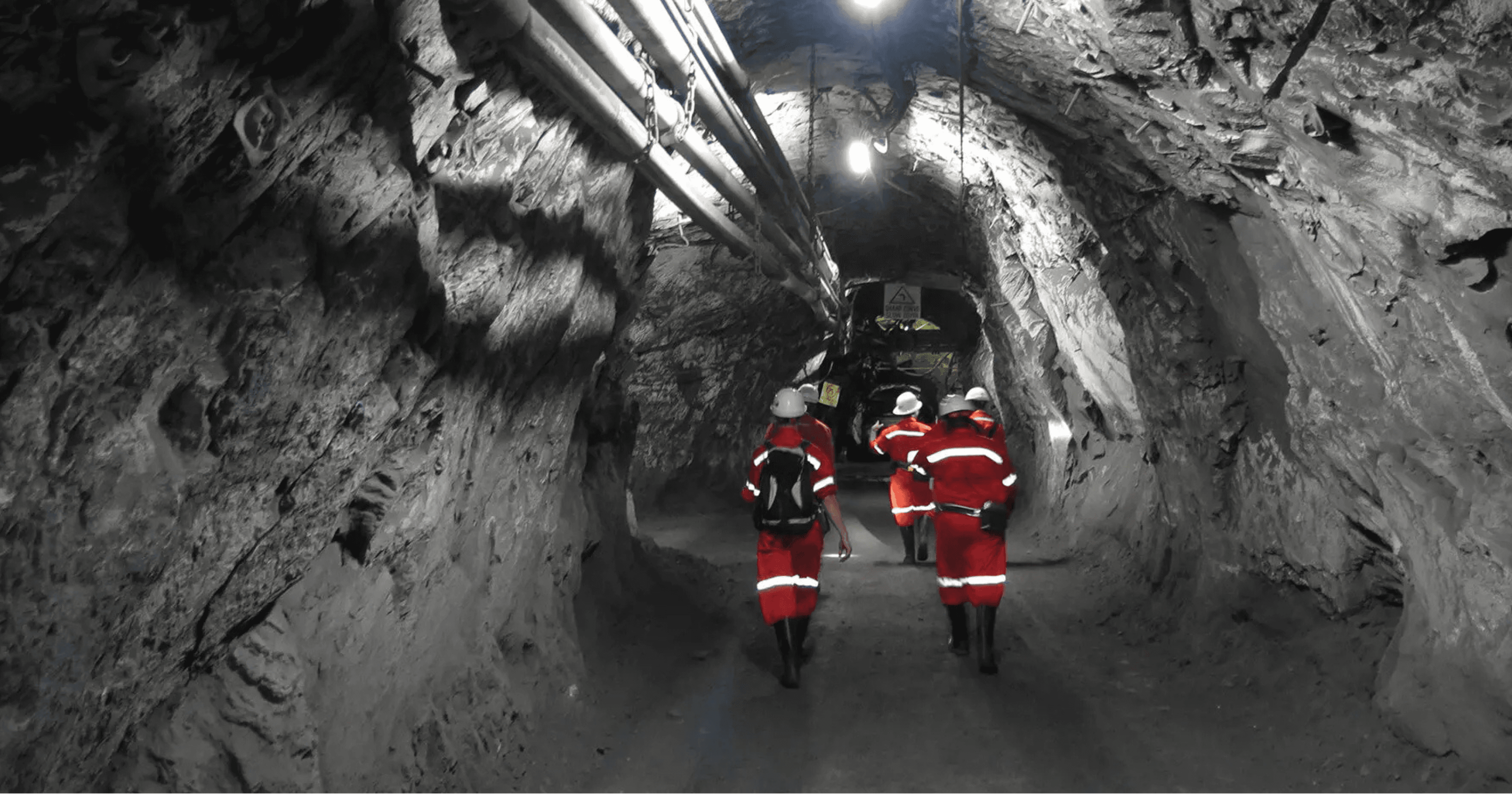
The Role of Notarial Services in South Africa's Mining Industry
Understanding the Connection Between Notarial Services and the Department of Mineral Resources and Energy (DMRE)
South Africa's mining industry is one of the country's most significant economic sectors, contributing to employment, investment, infrastructure development, and export earnings. However, mining operations are also heavily regulated and require extensive legal documentation to comply with the requirements of the Department of Mineral Resources and Energy (DMRE).
Many mining companies are surprised to learn how frequently notarial services are required throughout the lifecycle of a mining project. From securing mining rights and registering servitudes to authenticating documents for international investors, Notaries Public play an important role in ensuring legal compliance and protecting the interests of mining companies.
What Is a Notary Public?
A Notary Public is a specialist attorney who is authorised to prepare, attest, certify, and register certain legal documents that carry enhanced evidential value.
Notarial documents are often required where legislation, government departments, financial institutions, or international organisations require additional certainty regarding the authenticity and legal validity of a transaction.
Why Are Notarial Services Important in the Mining Industry?
Mining projects involve numerous stakeholders, including:
Mining companies
Landowners
Investors
Financial institutions
Government departments
Local communities
Infrastructure providers
Because mining operations frequently involve land rights, infrastructure access, and regulatory approvals, many of the associated agreements require notarial execution or registration.
The Relationship Between Mining Companies and the DMRE
The Department of Mineral Resources and Energy (DMRE) regulates the granting, transfer, amendment, renewal, and administration of mining rights and permits under the Mineral and Petroleum Resources Development Act (MPRDA).
Mining companies must regularly engage with the DMRE throughout the lifecycle of their operations.
During this process, various legal instruments may require notarial involvement to ensure compliance and registration where necessary.
Common Notarial Services Required by Mining Companies
1. Notarial Servitudes
One of the most common notarial services in the mining sector is the drafting and registration of servitudes.
Mining operations often require legal rights over land owned by third parties for:
Access roads
Power lines
Water pipelines
Conveyor systems
Railway infrastructure
Communication infrastructure
These rights are commonly registered through notarial servitudes recorded against the title deeds of affected properties.
Without properly registered servitudes, mining companies may face operational disruptions and legal disputes.
2. Notarial Cessions of Mining Rights
Mining rights, prospecting rights, and related interests may be transferred, ceded, or amended subject to regulatory approval.
Certain transactions require notarial documentation to formalise the rights and obligations of the parties involved.
Proper drafting ensures that transactions comply with both property law principles and mining legislation.
3. Authentication and Legalisation of International Documents
Mining is a global industry that frequently involves foreign investors, multinational corporations, and cross-border transactions.
Notaries Public assist with:
Authentication of corporate documents
Apostille services
Legalisation of documents
Certification of resolutions
Verification of powers of attorney
These services are often required when documents must be recognised outside South Africa.
4. Notarial Bonds
Mining companies often use movable assets as security when obtaining finance.
Examples include:
Mining equipment
Vehicles
Processing plants
Machinery
A Notary Public may prepare and register notarial bonds to secure financing arrangements and protect lenders' interests.
5. Powers of Attorney
Mining companies frequently operate across multiple provinces and jurisdictions.
Notarially executed powers of attorney enable authorised representatives to:
Sign agreements
Register rights
Appear before government departments
Conclude transactions on behalf of the company
These instruments provide certainty regarding authority and representation.
6. Infrastructure and Utility Agreements
Large-scale mining projects often require agreements relating to:
Electricity supply
Water supply
Transportation corridors
Telecommunications infrastructure
Where rights over immovable property are involved, these arrangements may require registration through notarial deeds.
How Notarial Services Support Regulatory Compliance
Compliance is a critical aspect of mining operations.
Properly drafted and registered notarial documents assist mining companies by:
Protecting property rights.
Facilitating infrastructure development.
Supporting financing arrangements.
Reducing legal risk.
Ensuring compliance with regulatory requirements.
Providing certainty to investors and stakeholders.
Failure to correctly document rights and obligations can result in costly delays, disputes, and operational challenges.
The Growing Importance of Notarial Expertise in Mining
As mining projects become increasingly complex, the demand for specialist legal services continues to grow.
Mining companies require advisors who understand the interaction between:
Property law
Mining legislation
Regulatory compliance
Commercial transactions
Registration processes
Experienced Notaries Public play a vital role in ensuring that transactions are properly structured and legally enforceable.
How Phajane Attorneys Can Assist Mining Companies
At Phajane Attorneys, we provide specialised notarial services to mining companies, investors, property owners, and commercial stakeholders operating within the mining sector.
Our services include:
Drafting and registration of notarial servitudes
Notarial bonds
Authentication and apostille services
Powers of attorney
Certification of corporate documents
Property-related mining transactions
Legal support relating to mining infrastructure rights
We understand the importance of regulatory compliance and work closely with clients to ensure that legal documentation is prepared accurately and efficiently.
Conclusion
The mining industry depends on a wide range of legal instruments to secure rights, facilitate investment, and maintain compliance with regulatory requirements. Notarial services form an important part of this framework and often play a critical role in transactions involving land, infrastructure, financing, and regulatory approvals.
Whether establishing access rights, securing finance, or preparing documentation for international stakeholders, a qualified Notary Public can provide the legal certainty necessary for successful mining operations.
For professional notarial services tailored to the mining industry, contact Phajane Attorneys and speak to our experienced team today.
Need help with a document?